Stop Guessing.
Start Engineering AI Outcomes.
Get Started Quickly

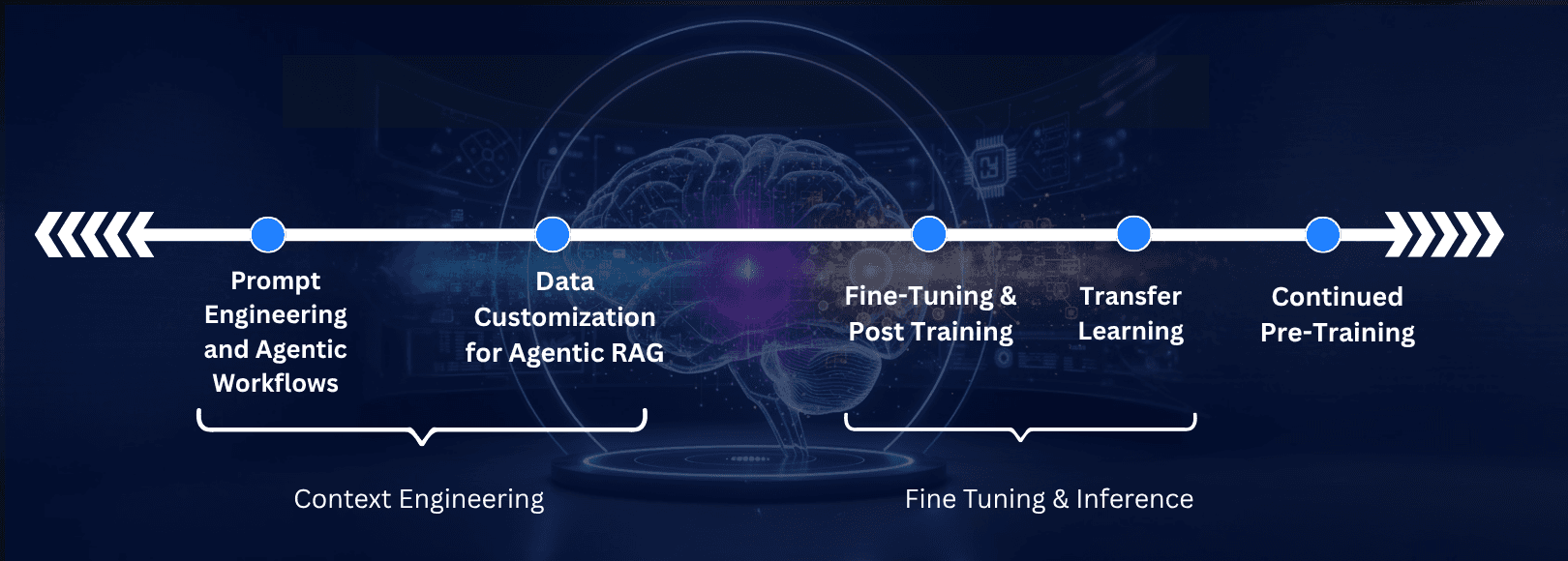
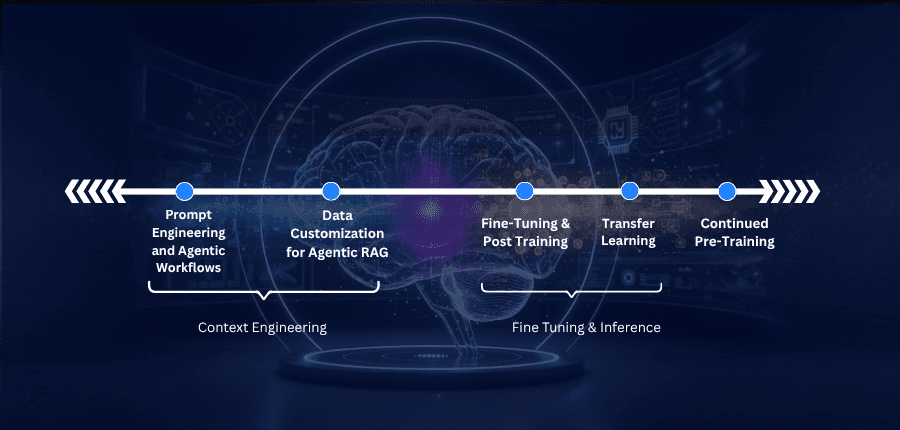
The Pain of Context Engineering
Agentic Workflows
Need to explore alternative generator models and agentic workflows.
Configuration Knobs
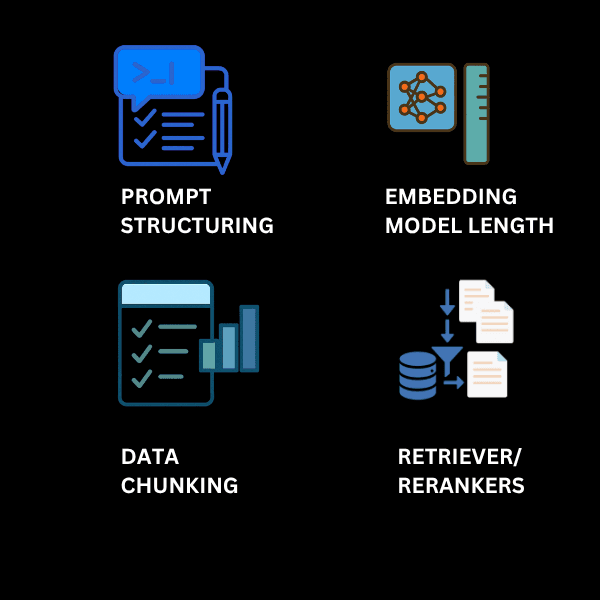
Requires configuring many knobs: prompts, chunking, embedding, retrieval, reranking, etc.
Grounding & Metrics
Difficult to track and understand what impacts grounding and eval metrics.
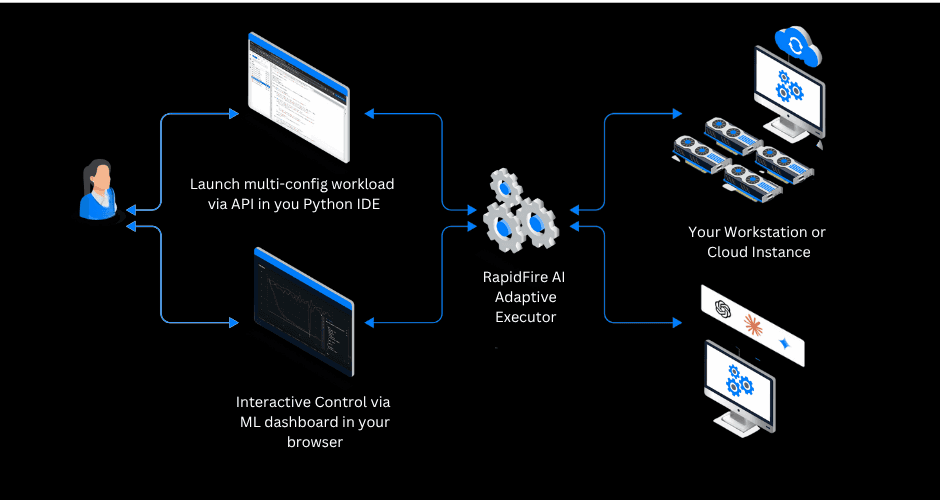
Sharded execution surfaces metrics across all configs in near real-time.
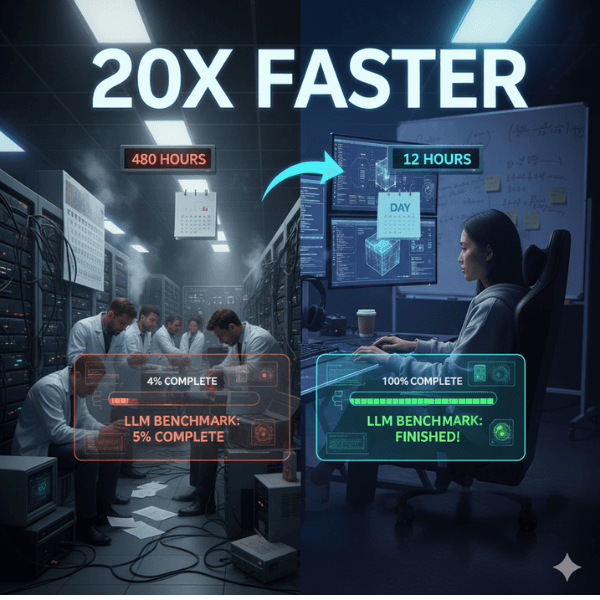
Increase experimentation throughput by 20x.

Automatically creates data shards and hot-swaps configurations to surface results incrementally.
Adaptive execution engine with optimizes GPU utilization (for self-hosted models) and token spend (for closed model APIs).
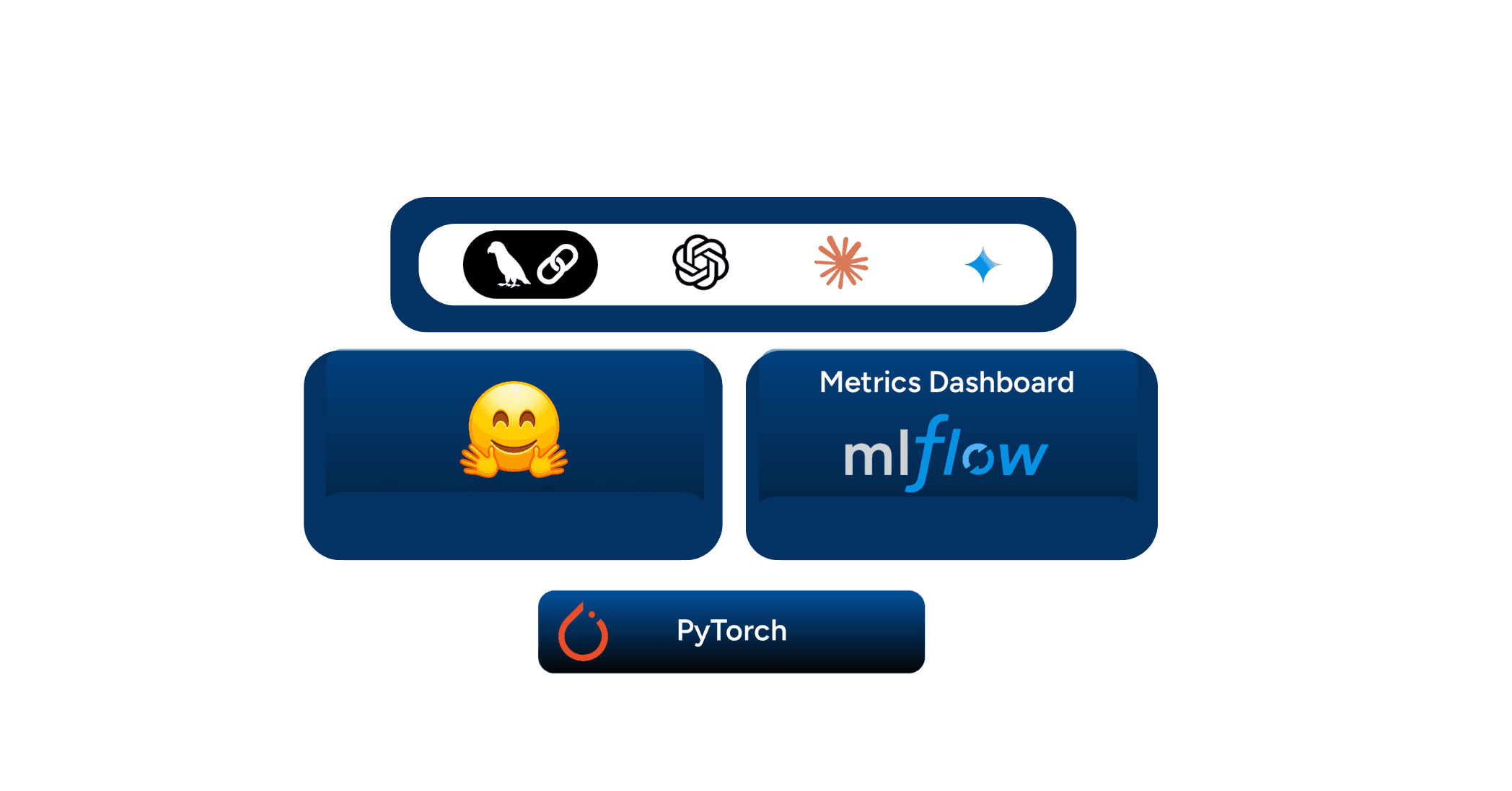
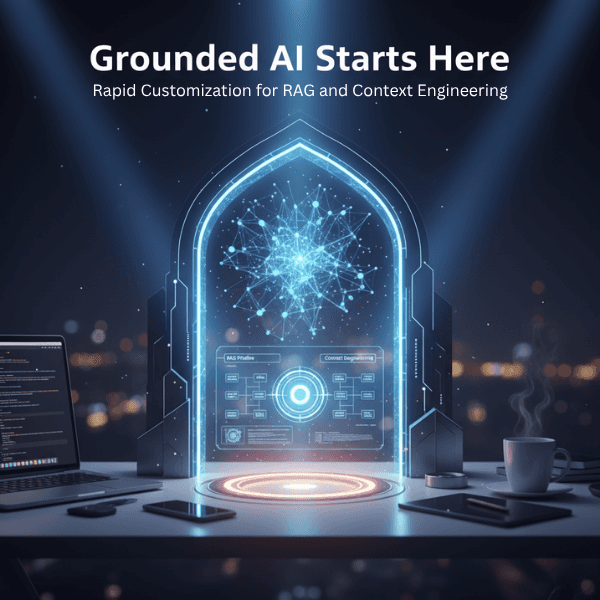
For RAG and context engineering, RapidFire AI integrates seamlessly with LangChain, PyTorch, Hugging Face, and leading closed model APIs such as OpenAI
ML metrics dashboard extends the popular tool MLflow to offer powerful dynamic real-time control capabilities.
Synchronized Three-Way Control
Compare More Training Configs Faster
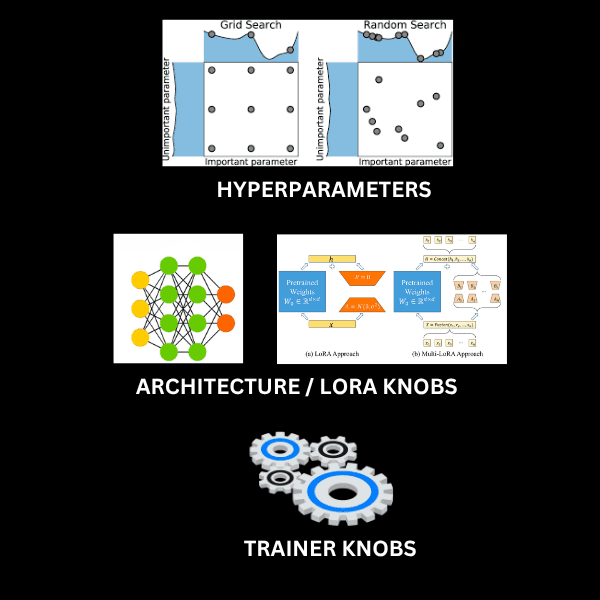
Compare across datasets, hyperparameters, optimizers, and model adapters variants and promote the best fine-tuned models confidently.
Dynamic Real-Time Control
Stop underperforming runs early, clone promising ones mid-flight, and tweak training parameters and potentially warm start their weights.
Automatic Optimization
System optimizes data and model orchestration to optimize GPU utilization and training output.
Seamless Integration
RapidFire AI API is a thin wrapper around Hugging Face TRL and is the fastest project to achieve full Hugging Face TRL Integration.
Multiple training/tuning workflows supported: Supervised Fine-Tuning (SFT), Direct Preference Optimization (DPO), and Group Relative Policy Optimization (GRPO).


What is RapidFire AI, and what problem does it solve?
RapidFire AI is an open-source experimentation engine that makes it 20× faster to fine-tune, post-train, and ground large language models. Traditional LLM customization is slow, sequential, and resource-intensive — you test one configuration at a time, wasting GPUs and developer hours. RapidFire turns that into a hyperparallel, adaptive workflow where you can launch, compare, and control many configurations in real time from a single notebook or dashboard.
How does RapidFire AI compare to Weights & Biases?
Can I use RapidFire AI for RAG and context-engineering workflows?
How is RapidFire AI different from Ray Tune or Optuna?
What frameworks does RapidFire AI integrate with?
Does RapidFire AI work on a single GPU, or does it need a cluster?
Can I stop, resume, or clone experiments while they’re running?
Can I use RapidFire AI with both open-source and closed LLMs (OpenAI, Anthropic, Mistral, etc.)?
How does RapidFire AI improve GPU utilization and reduce compute waste?